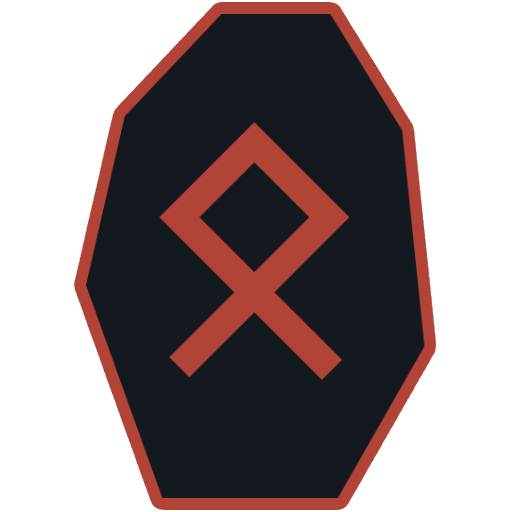
Othala stands as a beacon of heritage, anchoring the soul in the roots of ancestry and the legacy of the home. It speaks of the inherited part of your life — what is passed down and what you preserve for the future.
Othala Meaning
Othala is the rune of inheritance and ancestral land, the culmination of Tyr's Aett, embodying the wisdom and legacy of those who came before. It is deeply connected to ideas of home, family estates, and the broader heritage that shapes individual identity. This rune is about more than material inheritance; it is about the cultural and spiritual wealth passed down through generations.
In a reading, Othala invites you to consider the gifts of your lineage — the lessons, traditions, and values that form your inheritance. It may represent a physical home, a tradition worth preserving, or a community that defines your sense of belonging. Othala calls for recognizing and honoring where you came from, while also thinking about the legacy you will leave behind.
Origin & The Rune Poem
The name Othala is derived from the Old Norse óðal and the Old English ēðel, both meaning "inheritance" or "ancestral land." This concept was central to the societal organization of ancient Germanic tribes, where land and home were passed down through family lines, ensuring stability and continuity.
The Old English Rune Poem does not include a specific stanza for Othala as it appears in the Elder Futhark. Its absence underscores its later development in the alphabet, yet its meaning of inheritance and legacy shines through. In the cultural context, land was not merely a resource but a sacred trust, and Othala embodies this trust.
Othala in Divination
When Othala appears, it often signals a moment to reflect on the legacies you hold. It may indicate a focus on family issues, such as resolving ancestral patterns or taking responsibility for inherited roles. It can also point to a literal inheritance or a decision about property, asking you to balance personal desires with the needs of the collective family.
In relationships, Othala suggests the significance of shared history and mutual roots. It can indicate a time to strengthen family ties or to honor traditions that bond people together. This rune encourages you to work harmoniously within your community, valuing the shared home and the stories that unite.
Timing with Othala involves returning to origin points, reevaluating foundations, and making choices grounded in the wisdom of the past. It prompts you to consider long-term implications, focusing on what will endure and what kind of legacy you wish to cultivate. Othala urges patience, reminding you that true legacy matures over time.
Othala Reversed (Merkstave)
When Othala is reversed, it represents a loss of connection to one's heritage or a disruption in the family line. This could manifest as disputes over inheritance, feeling rootless or disconnected, or struggles with identity linked to family expectations. The reversed Othala warns against neglecting your origins or breaking with essential traditions that provide stability and meaning in your life.
Symbolism
The glyph of Othala — ᛟ — resembles a boundary enclosing space, evoking the image of a home or estate surrounded by protective borders. Its curves and lines suggest both enclosure and the gathering of resources, a visual representation of holding and preserving value.
Associated with Odin, Othala connects to the wisdom of the Allfather, who embodies the accumulation of knowledge and tradition. The element of Earth grounds this rune firmly in the physical realm, reflecting the tangible inheritance of land, lineage, and legacy. Positioned in Tyr's Aett, it finalizes the journey through the runes with a return to origin and identity.
Galdr & Magical Use
In magical practice, Othala is chanted to invoke protection over one's home and to strengthen family ties. The sound — ooo-thaa-laa — is drawn out, reinforcing the enduring bond between past and future. This rune is powerful in workings that aim to heal family wounds or to fortify the spiritual foundations of a lineage.
Creating a bind-rune with Othala can amplify intentions related to home and heritage. Combined with runes for protection or new beginnings, it aids in securing the physical and spiritual health of one's dwelling and family line. Othala charms are often placed in the home or near the hearth as a symbol of enduring stability and unity.
Traditionally, Othala has been used in talismans to manifest a deeper connection to one's roots, seeking guidance from ancestors and securing legacy. Whether through carving or chanting, the rune serves as a beacon calling you to honor and protect the trust of inheritance.
Working with Othala
To connect deeply with Othala, consider your roots — both personal and ancestral. Meditate on the rune's shape, envisioning it as the boundary of a cherished home or land. Reflect on what you have inherited, not just in terms of property, but in wisdom and tradition. Othala asks you to be a steward of this inheritance.
A practical exercise: identify one tradition or value from your family or community that you wish to preserve and nurture. Plan a small activity this week to honor or strengthen this connection, such as sharing a family recipe, telling stories from your lineage, or maintaining a piece of land or home that holds significance. This is the legacy Othala speaks of.
Rune Details
Number23
AettTyr's · 3rd
SoundO
ElementEarth
DeitiesOdin · Ancestors
A Free Rune Reading
Cast Three Runes
Three runes drawn at random from the full Elder Futhark, in the shape of the Norns — Urðr, Verðandi, Skuld. Yours may turn up Othala.